Progress Payments
Introduction A progress claim arrives in your inbox. The amount is substantial. The builder says the project has reached the next stage. It can feel as though paying is simply the…
Introduction
A progress claim arrives in your inbox. The amount is substantial. The builder says the project has reached the next stage. It can feel as though paying is simply the administrative next step. It is not.
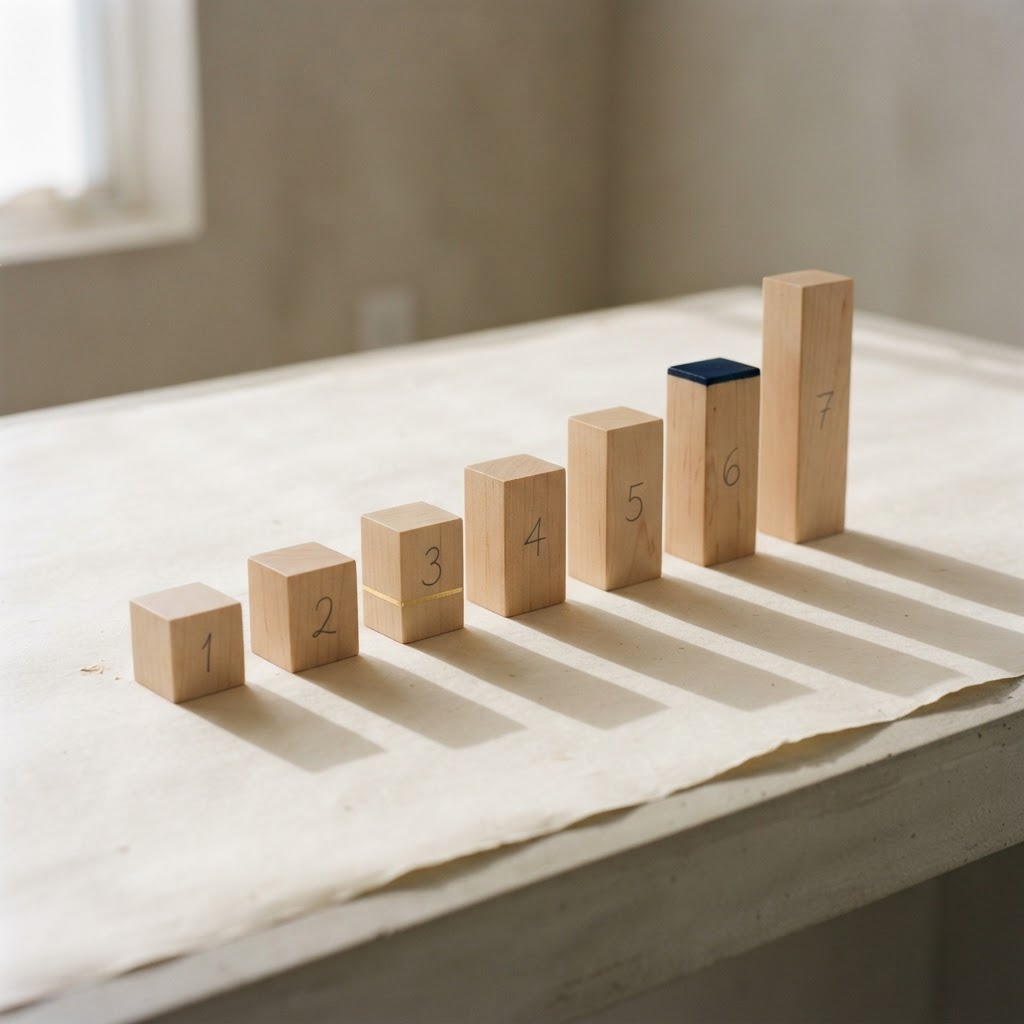
Progress payments are one of the most important control mechanisms in a residential building contract. They are intended to match payment with progress so that the builder is paid as the work advances without the homeowner paying too far ahead. In South Australia, the Building Work Contractors Act 1995 (SA) generally restricts builders to genuine progress payments for work actually performed, apart from any authorised advance payment.
Why building contracts use staged payments
A builder incurs costs throughout construction. It would be unrealistic for the builder to finance the entire project until handover. Equally, a homeowner should not ordinarily fund large amounts of work that has not yet been performed.
A stage name is not the whole test
If the builder issues an invoice labelled “Frame Stage”, the better question is whether the contractual requirements for that stage have actually been satisfied. The invoice tells you what the builder is claiming. The contract tells you whether the claim has become payable.
Your lender is not your contract adviser
A lender’s inspection protects the lender’s security and assists with loan administration. It should not be assumed to be a legal determination that the builder has satisfied every contractual requirement.
What should you do when a progress claim arrives?
Identify the exact contractual stage being claimed.
Check the contract definition and payment schedule.
Inspect the work where appropriate.
Consider whether an independent building consultant should inspect.
Identify incomplete work or obvious defects promptly in writing.
Check variations and credits.
Observe the contractual payment deadline while you investigate. Some contracts contain deemed acceptance provisions: if you do not respond to or dispute a progress claim within the prescribed period, it may be treated as accepted and payable in full. Missing the deadline can extinguish your ability to challenge the amount claimed and may trigger interest or suspension rights in the builder’s favour.
Defects and incomplete work
Minor defects may exist while a stage is otherwise substantially complete. Conversely, significant incomplete work may mean the milestone has not been reached. The answer depends on the wording of the contract and the facts.
Variations can distort the picture
Reconcile the original contract sum, approved variations, prior payments, credits and the amount now claimed. Keep a payment ledger.
Completion payments deserve particular care
Do not assume that “the house looks finished” means the contractual requirements for practical completion and final payment have necessarily been met.
The key lesson
A progress claim is a contractual event, not simply an invoice. Before you pay, the real question is whether the contract’s requirements for that stage have actually been met - and the answer depends on the wording of your own contract. If you are unsure, that uncertainty is itself a reason to obtain advice before releasing payment.
Before You Sign
Understand the payment stages, how each is defined, the time allowed to assess a claim, how disputes are handled and how variations are incorporated into payments. This guide provides general educational information for South Australian homeowners. It is not personalised legal advice. The effect of any issue depends on the wording of your own contract, schedules, Special Conditions, plans, specifications and the facts of the project. A good builder and a well-understood contract should work together. Before committing to one of the largest financial transactions you may ever undertake, consider having the actual contract reviewed so you understand the obligations, notice requirements and consequences before they are tested on site.
Before You Build. One Signature. One Chance.
Concerned this clause is in your contract? Get a fixed-fee review.